Fans and follow-up
How to promote a gig on Instagram in the week before
Learn how to use Instagram effectively in the week leading up to your gig. Boost attendance with our day-by-day promotional plan.
Read
By GigTag9 min read
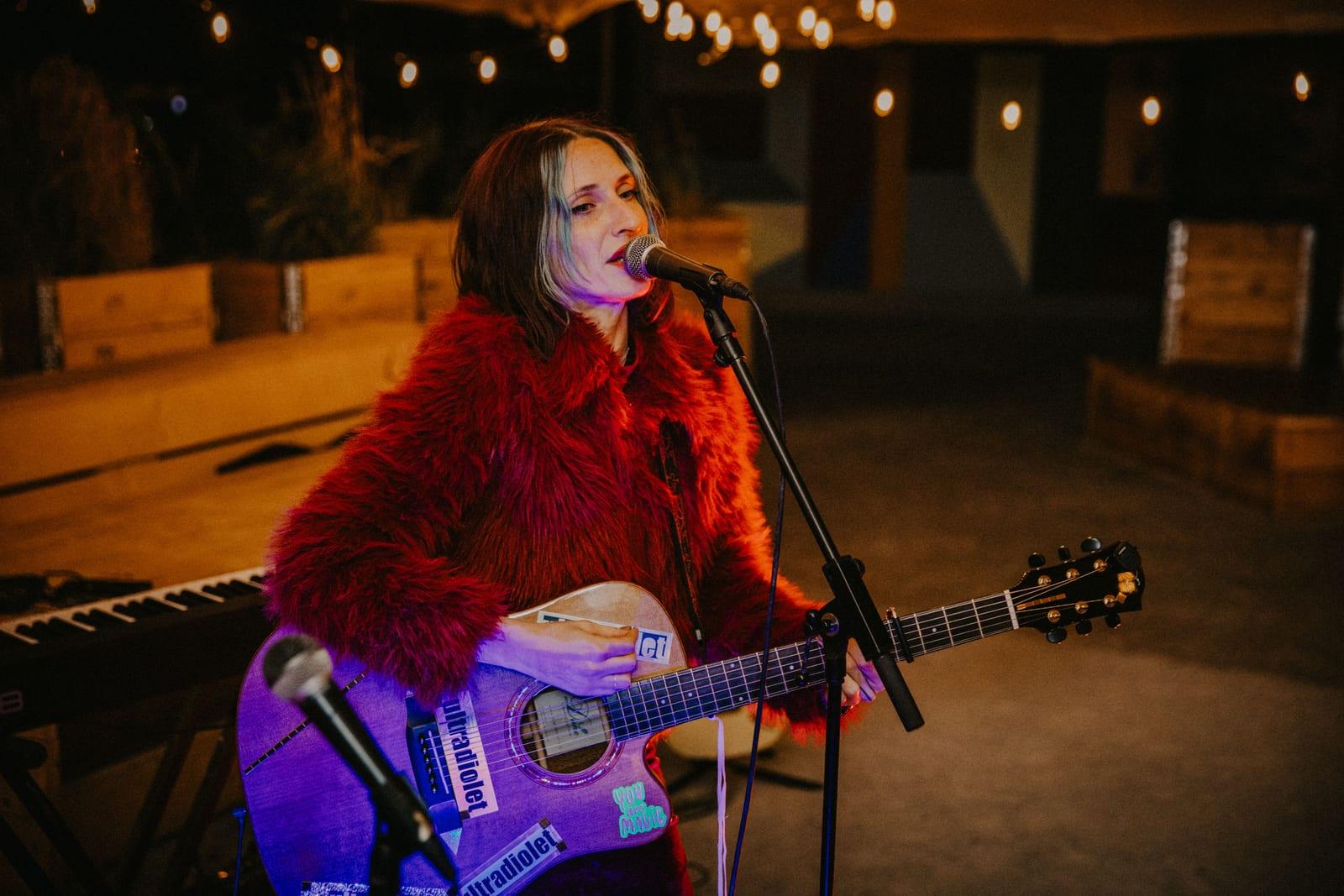
Most performers' first time on a stage in front of strangers is at an open mic. A pub back room, a café on a Tuesday, a list on a clipboard, three songs and a round of applause. It is the cheapest, friendliest way to find out what your songs sound like in a real room, and the best place to meet the musicians and hosts who will lead to your first paid gig.
This guide covers what an open mic night is, how to find one near you, how sign-up usually works, what to play, how to handle nerves, what to do after your slot, and how to run one yourself.
An open mic night is a regular event, often weekly or monthly, where the stage is open to anyone who signs up. A host runs the list, introduces each act and keeps the night moving. Each performer gets a short slot, and the audience is a mix of performers waiting their turn, their friends and the venue's regulars.
Most open mics are for music, usually acoustic: singer-songwriters, duos, the odd band with a cajón. Others are for comedy, poetry or spoken word, and some mix everything. Many venues provide a PA, a microphone and sometimes a house guitar or keyboard.
Performers are not usually paid. What you get is stage time, an audience that is generally on your side, and a room full of people who play, book and promote live music.
There is no single list of every open mic, so it pays to look in a few places:
When you find one, check the details before you go: the day and start time, how sign-up works, how long slots are, what equipment is provided, and whether it is acoustic only.
Sign-up varies more than anything else about open mics, so check the host's page or message them first. The usual systems are:
| Sign-up type | How it works | What to do |
|---|---|---|
| First come, first served | A list opens at the venue, often half an hour before the start | Arrive early; popular nights fill quickly |
| Book in advance | You message the host or fill in a form during the week | Book as early as you can and confirm on the day |
| Draw from a hat | Names are drawn at random for each slot | Arrive in time to put your name in, then be patient |
| Mixed | A few slots booked ahead, the rest on the night | Ask the host which works best for a newcomer |
Slots are typically two or three songs, or a set number of minutes. Keep to it. The host has a list to get through, and running over is the quickest way to make a bad first impression.
You have about ten minutes to make the room remember you. Choose for that.
Write your songs, keys and capo positions on a small list and tape it where you can see it. Our free setlist maker prints one in large type for the stage.
| Bring | Why |
|---|---|
| Your instrument, tuned, with spare strings | Strings break at the worst moment |
| A tuner | Rooms warm up and instruments drift |
| A lead and any adapters you need | House cables are not always there or working |
| A capo, picks, a strap | Small things are the easiest to forget |
| Your setlist | So the nerves cannot take the words |
| Water | The room will be warm and your voice will dry |
| A way for people to find you | One link or a code with your name, music and next gigs |
Almost everyone is nervous at their first open mic, and many experienced performers still are. A few things help:
Most open mic performers do something good on stage, then let it disappear. Someone enjoys your songs, means to look you up, and by the next morning has forgotten your name.
Make it easy for them:
A free GigTag page holds all of that behind one code: your links, your upcoming gigs and a booking form, so the person who asks "do you play weddings?" can send you the details. On GigTag Pro, the same code lets people tip you by card or Apple Pay straight into your own Stripe or Square account, or your own Ziina account in the UAE, with GigTag taking 0%. See how it works for open mic performers and hosts.
A good open mic is a gift to a local scene, and a regular night can turn into a real community. If you want to run one:
A host can put the night on their own GigTag page as a weekly residency, so anyone who scans the code knows the next date and can add it to their calendar.
An open mic night is a regular event where anyone can sign up to perform a short slot, usually two or three songs or about ten minutes. A host runs the list and introduces each act. Most are for acoustic music, though some welcome comedy, poetry and spoken word.
Search "open mic" with your town or area, check venue and promoter pages on Instagram and Facebook, look at local event listings and music shop noticeboards, and ask other musicians. Regulars often know several nights a week across a town.
Usually not. Open mic performers play for the stage time, the audience and the contacts. Some venues offer a free drink, and some nights end with a paid feature slot or lead to paid bookings from the host or venue.
Your strongest two or three songs, ones you know well enough to play through nerves. Start with the best one, keep each under four minutes, and consider one cover the room knows alongside an original.
At least half an hour before the start if sign-up is on the night, earlier for popular nights. Arriving early also gives you time to meet the host, hear the PA and tune up calmly.
Most slots are two or three songs, or about ten to fifteen minutes. The host sets the length for each night, so ask when you sign up and keep to it.
Some nights allow it and many do not, especially acoustic nights. Ask the host before you go, and if they allow it, bring your tracks on a device that can plug into the PA.
Find a venue with a quiet night to fill, agree the day and terms, sort a small PA and microphones, choose your slot length and sign-up system, and promote it every week. A warm host who keeps to time is what makes people come back.
Find a night, get there early, play your best three songs and stay to listen. Then make sure the people who liked you can find you again tomorrow, with one link or code that holds your music, your next gigs and a way to book you.
Learn how to use Instagram effectively in the week leading up to your gig. Boost attendance with our day-by-day promotional plan.
Read

Learn how to craft an engaging Instagram bio that informs fans about your music, gigs, and where to find you. Attract more attendees to your shows.
Read
People who enjoyed tonight's set forget your name by Tuesday. How to put your next gig in their calendar before they go, and bring them back next time.
Read
For musicians
No app for your audience, nothing to download. Free to start.